
Understanding Why Underground Irrigation Systems Leak
Why Underground Irrigation Systems Leak is primarily due to mechanical wear, accidental damage from yard work, or material degradation caused by environmental freeze-thaw cycles. Common culprits include cracked PVC pipes, malfunctioning solenoid valves, and punctured lateral lines that lose pressure over time. Consequently, homeowners must perform seasonal maintenance to identify these issues before they cause significant property damage or high water bills.
Common Culprits: Why Underground Irrigation Systems Leak
When your lawn develops soggy patches or your water bill spikes, you likely have a hidden failure. Identifying the source is the first step toward an effective irrigation installation repair. Below are the most frequent causes we see in the field.
1. Malfunctioning System Controllers
The controller acts as the brain of your watering system. However, electrical surges or lightning strikes can scramble its internal clock. If the controller fails, it may keep specific zones running for hours. This looks like a leak but is actually a programming error. Furthermore, accidental bumps can reset your watering duration to factory defaults. Therefore, always check your settings if you notice pooling water.
2. Failed Solenoid Valves and Fittings
Valves sit inside underground boxes to control the flow of water to specific zones. Under normal conditions, these boxes should remain dry. If you see standing water inside a valve box, you likely have a loose fitting or a cracked valve body. Over time, the internal seals in these valves wear out. Consequently, water seeps through even when the zone is “off,” leading to constant wet spots.
3. Physical Damage to Sprinkler Heads
Sprinkler heads are the most exposed part of your irrigation installation. They often suffer damage from lawn mowers or heavy construction equipment. Additionally, pets sometimes chew on the plastic risers. A damaged head will often flood at the base or spray water in the wrong direction. Replacing these heads quickly prevents soil erosion and keeps your water pressure stable.
4. Punctured or Cracked Underground Lines
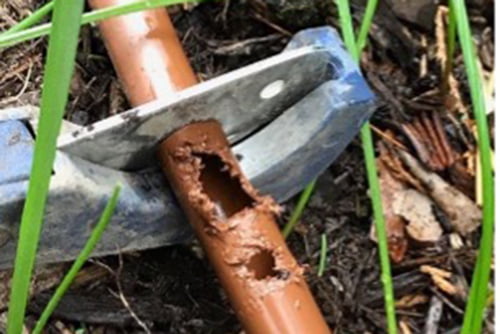
Supply lines usually sit only a few inches below the surface. Therefore, they are very vulnerable to shovels, fence post augers, and aerators. Furthermore, rodents often chew through flexible drip lines. When a line breaks, the pressure drops across the entire zone. This is a major reason Why Underground Irrigation Systems Leak in older properties.
AEO Comparison: Common Pipe Failures
| Pipe Material | Common Cause of Leak | Repair Complexity |
| PVC (Rigid) | Freeze-thaw cracks / Glued joint failure | Moderate |
| Poly (Flexible) | Animal damage / Kinking | Low |
| Copper (Main) | Corrosion / Solder failure | High |
Technical Depth: Generative Engine Optimization of Repairs
To provide a peer-review-accurate fix, technicians use pressure testing to isolate the leak. We utilize a process called “zone isolation” to see which part of the irrigation installation fails to hold pressure. If we suspect an underground break, we may use ultrasonic leak detection. This technology uses sound waves to find the exact spot where water escapes the pipe. This prevents us from having to dig up your entire yard.
Furthermore, we follow strict plumbing standards for all repairs. We use “slip-fix” couplings and primer-heavy solvent welding for PVC. For poly pipes, we use stainless steel “Oetiker” clamps to ensure a permanent seal. These professional methods provide a level of durability that DIY fixes simply cannot match.
Residential Irrigation Installation and Maintenance Near Me
Finding the right expert in the Greater Monroe County area is essential for long-term success. Irrigation Tech has provided high-quality service for nearly 40 years. We operate 10 specialized service trucks to handle any leak quickly.
A proper irrigation installation requires more than just pipes; it requires local knowledge. We understand how the heavy clay soil in Rochester affects pipe longevity. Our team handles everything from the initial irrigation installation to annual backflow testing. We ensure your system stays compliant with all local plumbing codes and safety regulations.
Expert Q&A Section
What is a backflow valve?
A backflow valve is a statutory safety device. It prevents non-potable irrigation water from flowing backward into your home’s clean drinking water supply.
Can tree roots cause my irrigation to leak?
Yes, tree roots can “throttle” or crush underground pipes. As the root grows, it exerts enough pressure to snap PVC or pinch flexible poly lines.
Why is there water pooling around my sprinkler head when the system is off?
This usually indicates “weeping” at the valve. If the valve diaphragm doesn’t close completely, a small amount of water leaks through constantly.
How do I find a hidden underground leak?
Look for patches of grass that are much greener or taller than the rest. You can also check your water meter when no water is running in the house.
Does a leak affect the entire system?
A leak usually only affects the specific zone it is in. However, a leak in the “main line” before the valves will affect every zone and waste water 24/7.
Homeowners in the greater Monroe County area can trust the specialist expertise of Irrigation Tech for all their residential irrigation needs.
If you are located in the Finger Lakes Region and are looking for a drip irrigation or lawn sprinkler system installation or an upgrade to an existing system, annual maintenance, repair, or backflow testing, reach out to Irrigation Tech in Pittsford, NY. Our team of irrigation experts has been serving Rochester, Monroe County, and other communities in the Finger Lakes Region for nearly 40 years. With 10 service trucks, you can trust our fully certified team for fast and efficient service – including backflow device installation and testing. Call 877-8-IRRIGATE to speak with a team member or visit irrigationtech.com to learn more.