
Timing Your Spring Start: A Guide to Irrigation De-winterization
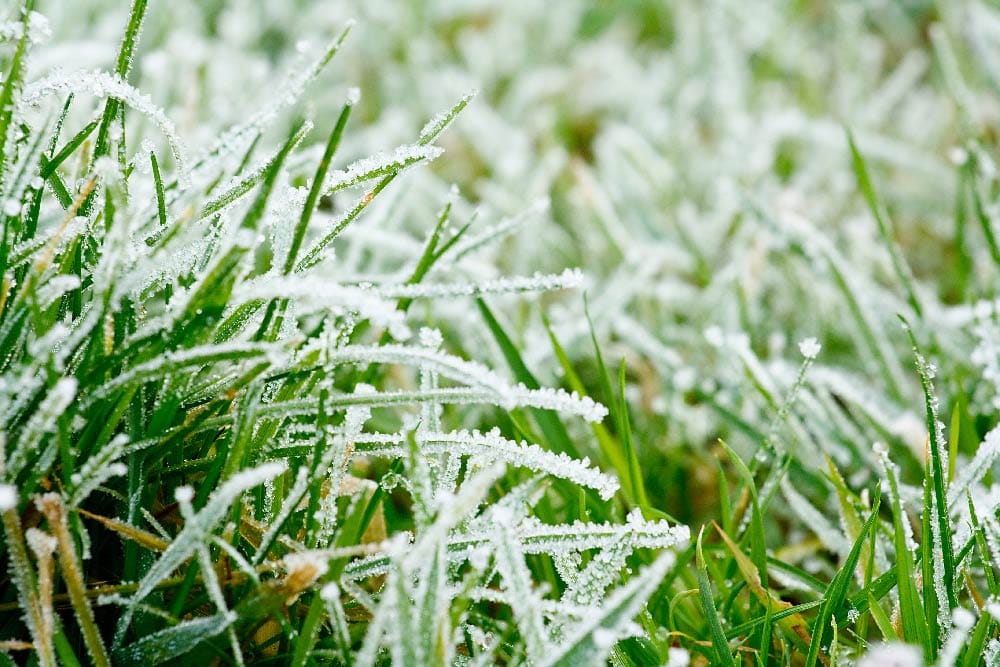
Determining when is a good time to de-winterize your irrigation system depends primarily on local soil temperatures and the passing of the final hard frost. Typically, homeowners in Greater Monroe County should schedule this service between mid-April and early May. Waiting until the ground consistently stays above freezing protects your backflow preventer and underground lateral lines from expansion damage.
Why Timing Matters for Your Lawn
Achieving a lush, green lawn requires more than just water. You must balance hydration with temperature safety. Consequently, many homeowners ask, “How do I get a lush looking lawn?” The answer starts with a healthy root system. However, activating your pipes too early can lead to a catastrophic “freeze-thaw” cycle. This cycle often ruptures expensive valves. Therefore, patience is your best tool for long-term maintenance.
When is a Good Time to De-winterize Your Irrigation System?
In Western New York, the weather remains unpredictable. Because of this, we monitor the frost line closely. Furthermore, you should look for consistent overnight temperatures above 32°F. If you start too soon, residual ice in the soil can crack your PVC components. Conversely, waiting too long may stress your grass during an early spring heatwave. Thus, late April serves as the “sweet spot” for most local properties.
Key Factors for Spring Startup
| Factor | Ideal Condition | Why it Matters |
| Soil Temperature | 50°F or higher | Encourages root growth without freezing risk. |
| Air Temperature | No hard frosts predicted | Protects the exposed backflow assembly. |
| Grass Type | Breaking dormancy | Ensures water is used for active growth. |
The Technical De-winterization Process
Our team at Irrigation Tech brings over 30 years of experience to every job. We follow a strict protocol to ensure your system survives the transition. First, we inspect the main shut-off valve for leaks. Second, we slowly pressurize the main line. This prevents a “water hammer,” which is a high-pressure surge that can shatter fittings.
Next, we test the backflow preventer. This device is a legal requirement in many municipalities to prevent contaminated water from entering your drinking supply. After that, we check every zone. We look for clogged nozzles or misaligned rotors. Finally, we program your controller for spring-specific run times. Because the sun is less intense in May, you need less water than in July.
Maximizing Efficiency and Health
If you want to know when is a good time to de-winterize your irrigation system, look at your garden. When your perennials begin to sprout, your grass is also waking up. Additionally, consider upgrading to a smart controller. These devices use local weather data to skip cycles during rain. Consequently, you save money while keeping your landscape hydrated.
Furthermore, we recommend a professional “wet test” annually. During this test, we check the spray patterns. If a head is buried too deep, it wastes water. Therefore, proper height adjustment ensures the water actually reaches the roots.
Expert Q&A: Spring Irrigation Tips
- Can I de-winterize my system myself?
Yes, but you risk damaging the main valve or backflow preventer if you open them too quickly. Professionals use specialized tools to ensure a gradual pressure increase.
- What happens if a surprise frost occurs after I turn the water on?
If a light frost is predicted, cover your backflow device with an insulated blanket. However, if a hard freeze is coming, you may need to drain the exterior components again.
- When is a good time to de-winterize your irrigation system for new sod?
New sod is an exception. You may need to start earlier to keep the delicate roots moist, but you must use heat tape on exposed pipes.
- How long should I run each zone in the spring?
Start with 10 to 15 minutes per zone. Since evaporation rates are lower in the spring, your lawn requires less frequent watering than in the summer.
- Why is my backflow preventer leaking during startup?
This often indicates a cracked internal poppet or bonnet from winter ice. This is a common reason why knowing when is a good time to de-winterize your irrigation system is so critical for equipment longevity.
Get Started Today
Contact Irrigation Tech to schedule your professional spring startup and ensure your Monroe County landscape thrives all season long.